Kieran Calvert
I work with sound, image and code, and I have always been fascinated by the connection between video and audio: how a sound changes what you see, and how an image changes what you hear. I play guitar and analogue synths, and build music from generative sequencing.
Below is my work, most recent first.
Rooms 2026
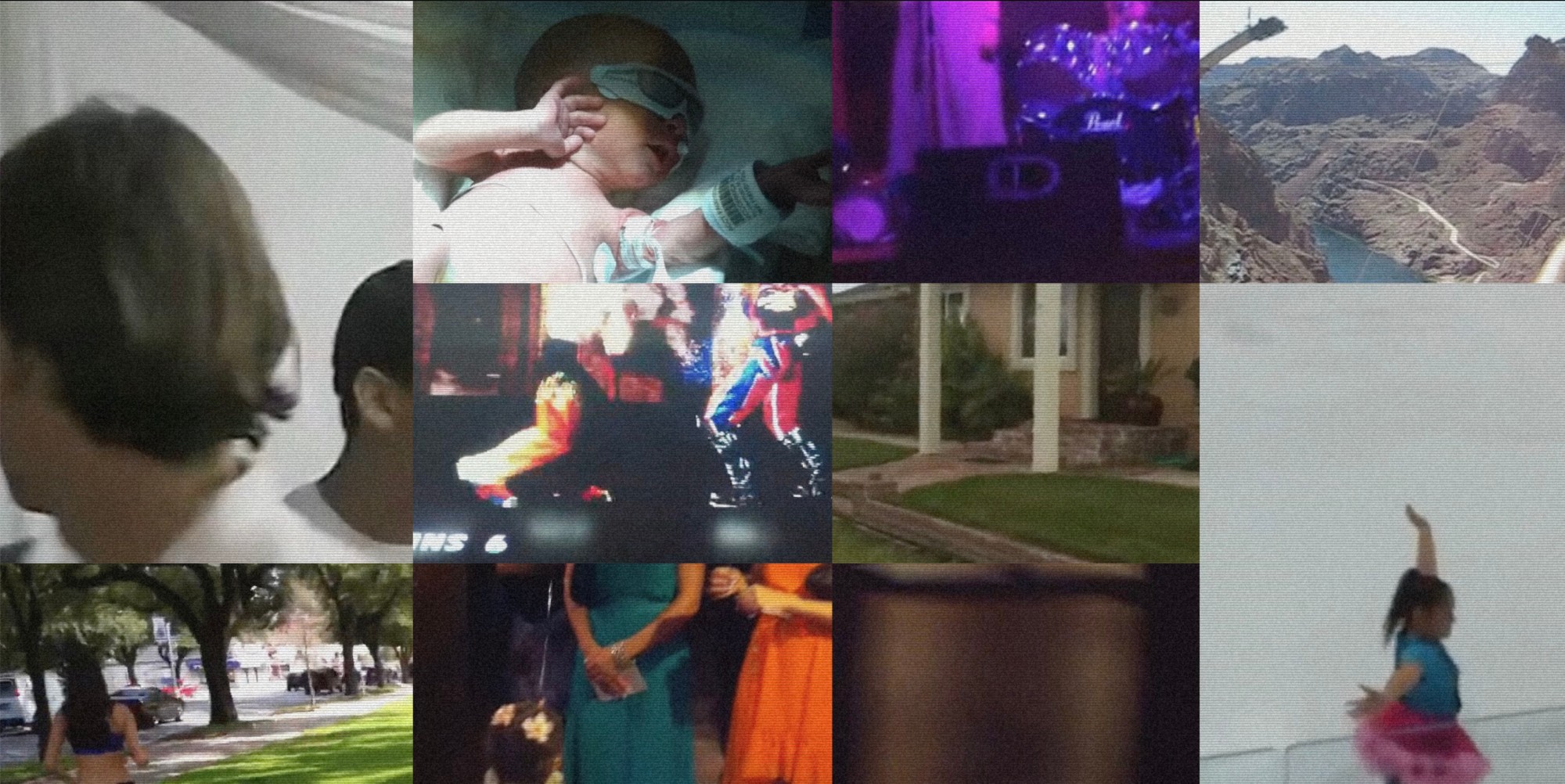
Rooms is where video and audio meet on neutral ground. The images are home videos made for no audience, uploaded between 2008 and 2014, stripped of sound and slowed to half speed until they become less like footage than weather. Beneath them runs music made independently of the images, part composed, part generative. Neither was made for the other; their meeting is accidental, and meaning emerges in the space between them.
The project began as an exploration of generative film: a work never fixed in an edit, but assembled by rules, differently with each viewing.
What you see is a selection from thousands of clips, shaped through a process of elimination that I programmed and guided. As the possibilities narrowed, I found myself looking more closely at the extraordinary beauty of ordinary gestures, faces and interactions — fragments of a life passing by.
It was also where I began exploring generative music, asking of sound the same question as the images: what happens when you set the conditions and step back?
After Ben Wallace and Riley Walz’s IMG_0001.
Home 2026
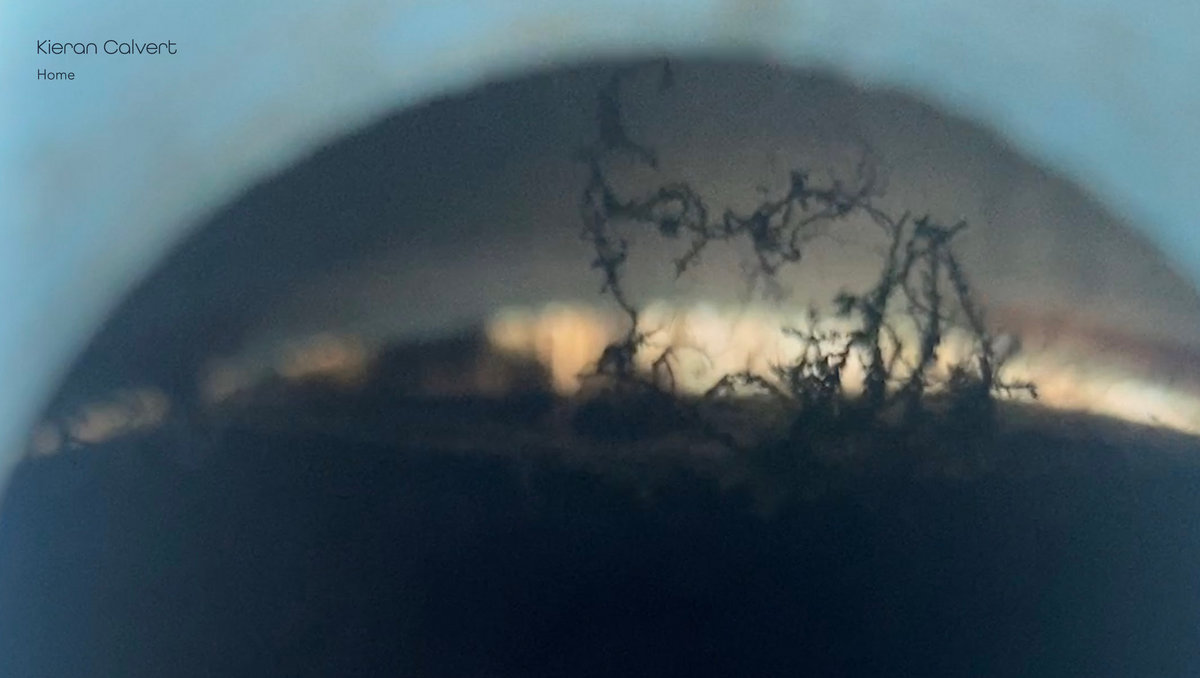
Home, released in February 2026: three tracks.
- Little space 2:55 voice by Eva Calvert
- Last guitar song 2:34
- Return 2:17
Where are the machines 2024
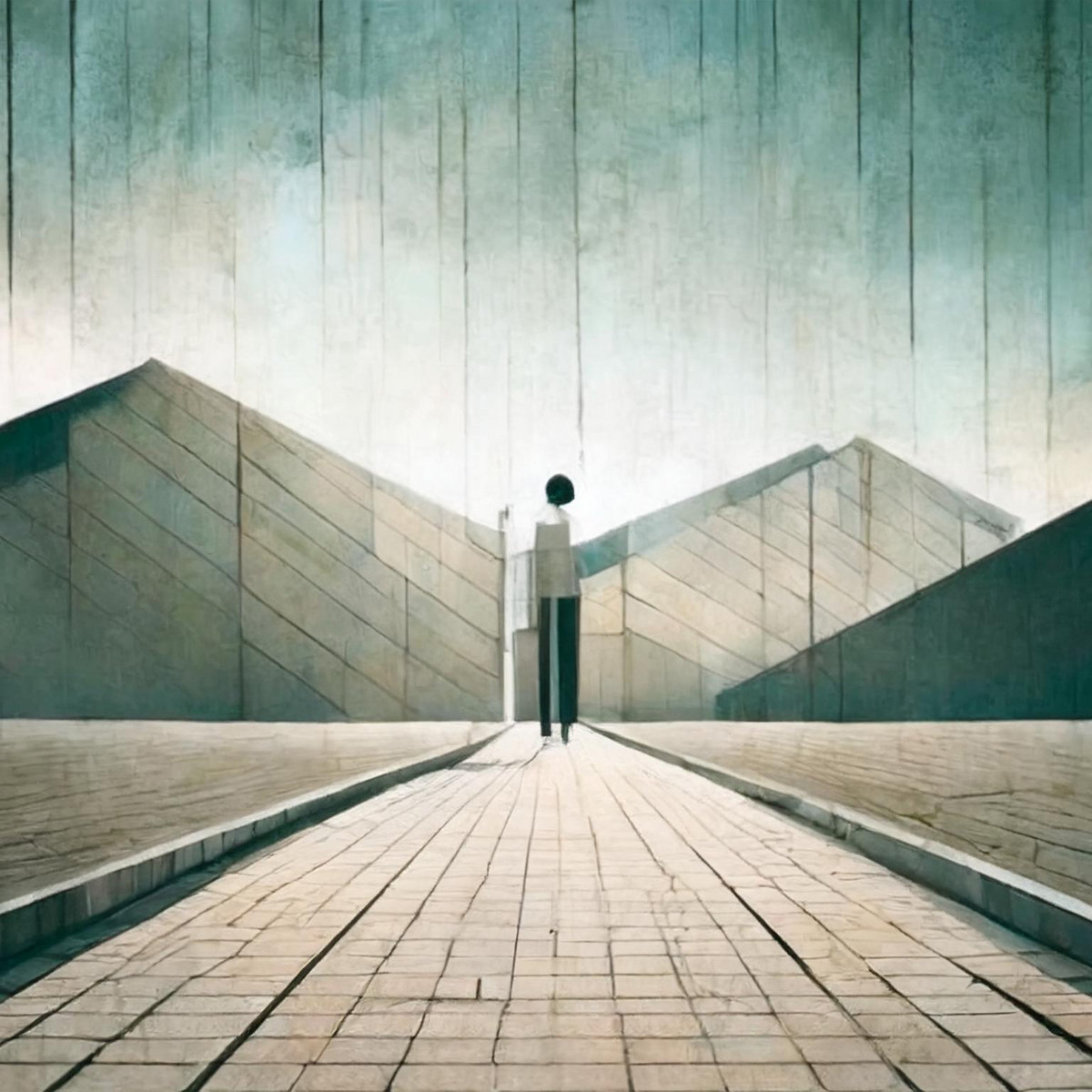
Where are the machines, released in February 2024: seven tracks. Cells also has its own video.
It is where I learned and embraced modular synthesis.
- A different sunrise 4:57
- While we sleep 5:57
- Dream sequence 2:03
- Fires 5:22
- If they were birds 5:57
- Cells 4:51
- They take a piece of you with them 3:59
echoshell 2009–2011
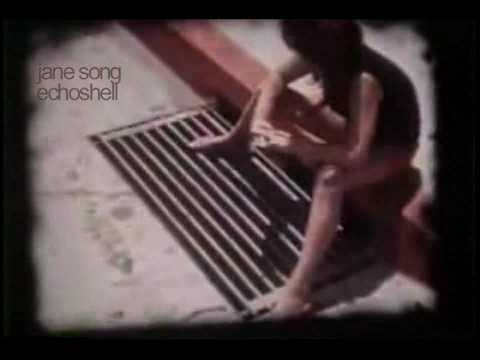
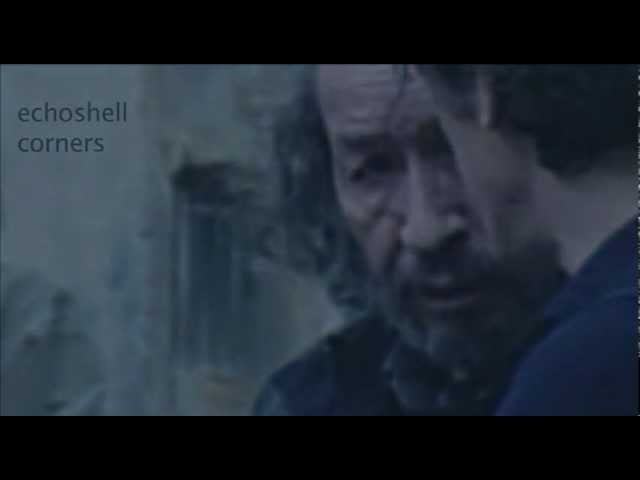
echoshell is where my fascination with the connection between video and audio began: seven tracks, each with its own video, made between 2009 and 2011.
- Stray piano by Al Sheahan, thanks to Mark Ryan for providing location
- Jane song drums by Fergal Lawler; bass by Mike Hogan
- The calm drums by Fergal Lawler
- Knock you down drums by Fergal Lawler
- Doves with the poet Stephen Murray; bass by Al Sheahan
- Corners video footage by Fergal Lawler
- And we all return to stars drums and video footage by Fergal Lawler; bass by Al Sheahan
Spiderhole 2010
Two tracks from Spiderhole, the British horror film written and directed by Daniel Simpson.
-
2 tracks
It used to play tapes 2008
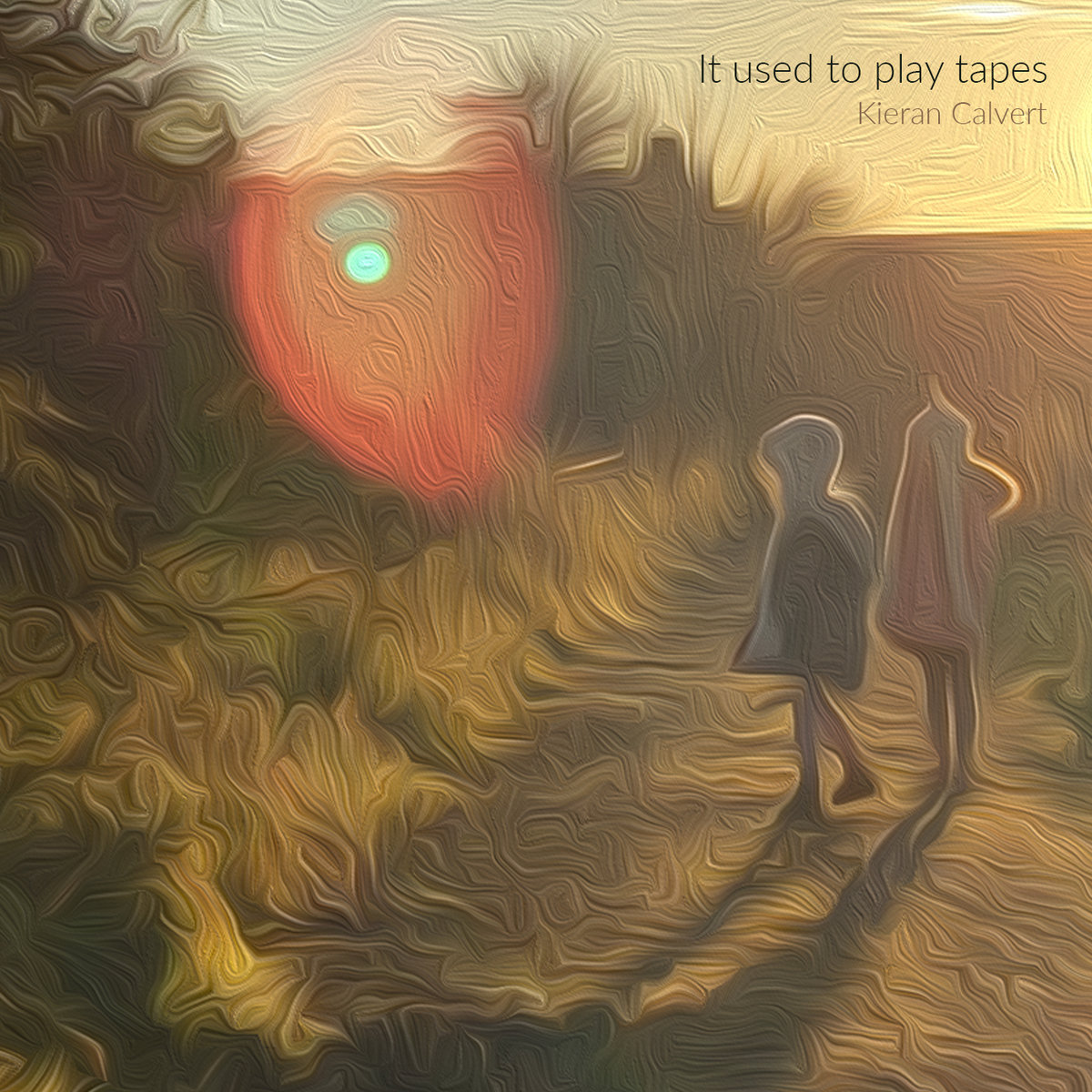
It used to play tapes, released in September 2025: six tracks.
- Dented 3:53
- Grown up 2:41 written and recorded in 2008 with Fergal Lawler and Al Sheahan in Bunker Hill studio
- For Mary 1:07
- Only a fool 3:47
- They'll meet the wolves in the night 2:44
- StingPie-willNeverTalk() 2:12
The Low Network 2006–2007
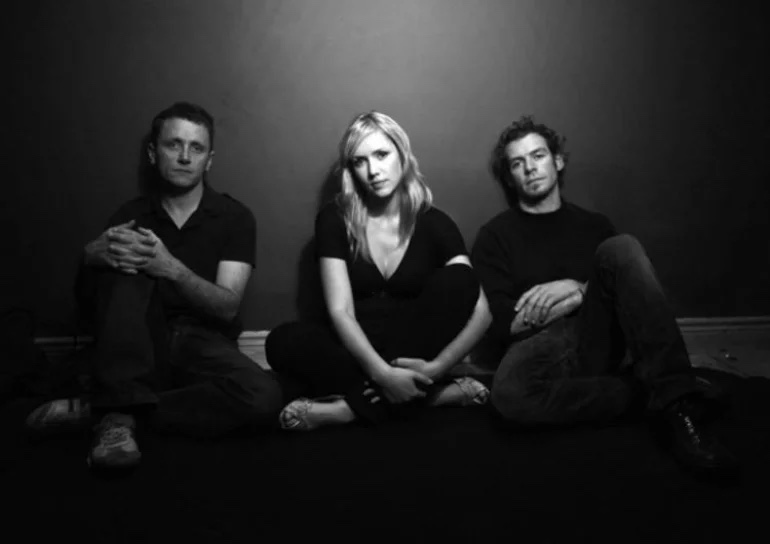
After Woodstar, I formed The Low Network with Fergal Lawler, drummer with the Cranberries, and later we brought in the singer Jennifer McMahon, from DeLorean Suite. We recorded an EP in Bunker Hill recording studio.
Woodstar 2000–2005
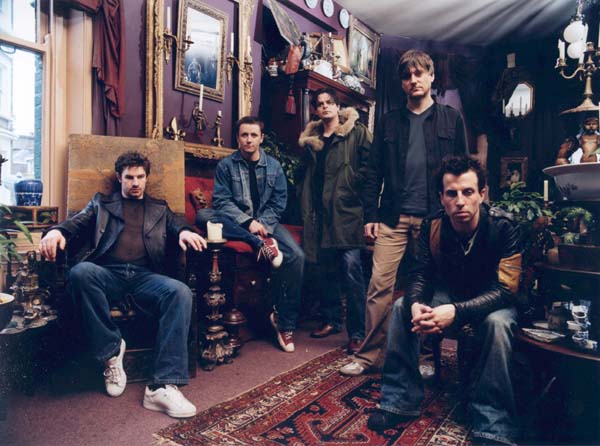
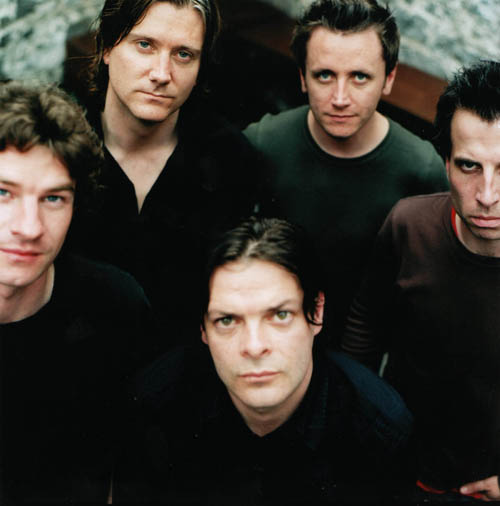
Woodstar began in the summer of 2000, when Fin Chambers, Doug Murray and Alan Sheahan built a studio by hand in a field in Mungret, outside Limerick. They had piano, drums and a set of songs, and went looking for a guitarist and a bass player. I came in on guitar, with Ronan Considine on bass, and the first things we recorded, on an eight-track at the end of that muddy field, were These scars, Sorry skin and She catches.
The first gig was that November, in the Limerick heat of the Bacardi Hot Press Plugged Band of the Year. We won it (thank you Orla), and in April 2001 won the competition outright. These scars was shortlisted for Hot Press Song of the Year and picked up national airplay, with Tom Dunne at Today FM an early champion, while the gigs at McGregors on Ellen Street built a following at home.
That summer Parlophone came to Limerick, and released the Time to bleed EP (2002), recorded with Ben Hillier at Parr Street in Liverpool. The album, Life sparks (2003), was produced by Stephen Street — The Smiths, Blur, the Cranberries — and its songs were mixed by Stephen Street, Richard Rainey and Woodstar.
Alan McEvoy, who had believed in Woodstar from the start, managed the band and oversaw the production and rollout of the album, which he released on his own label, Wet Clay Records.
With his help the band took the songs as far as the Mercury Lounge in New York, and eventually split in 2005.